6 de noviembre de 2026
Este artículo solo está disponible en inglés.
Guidance Cut Amid Weather Disruptions
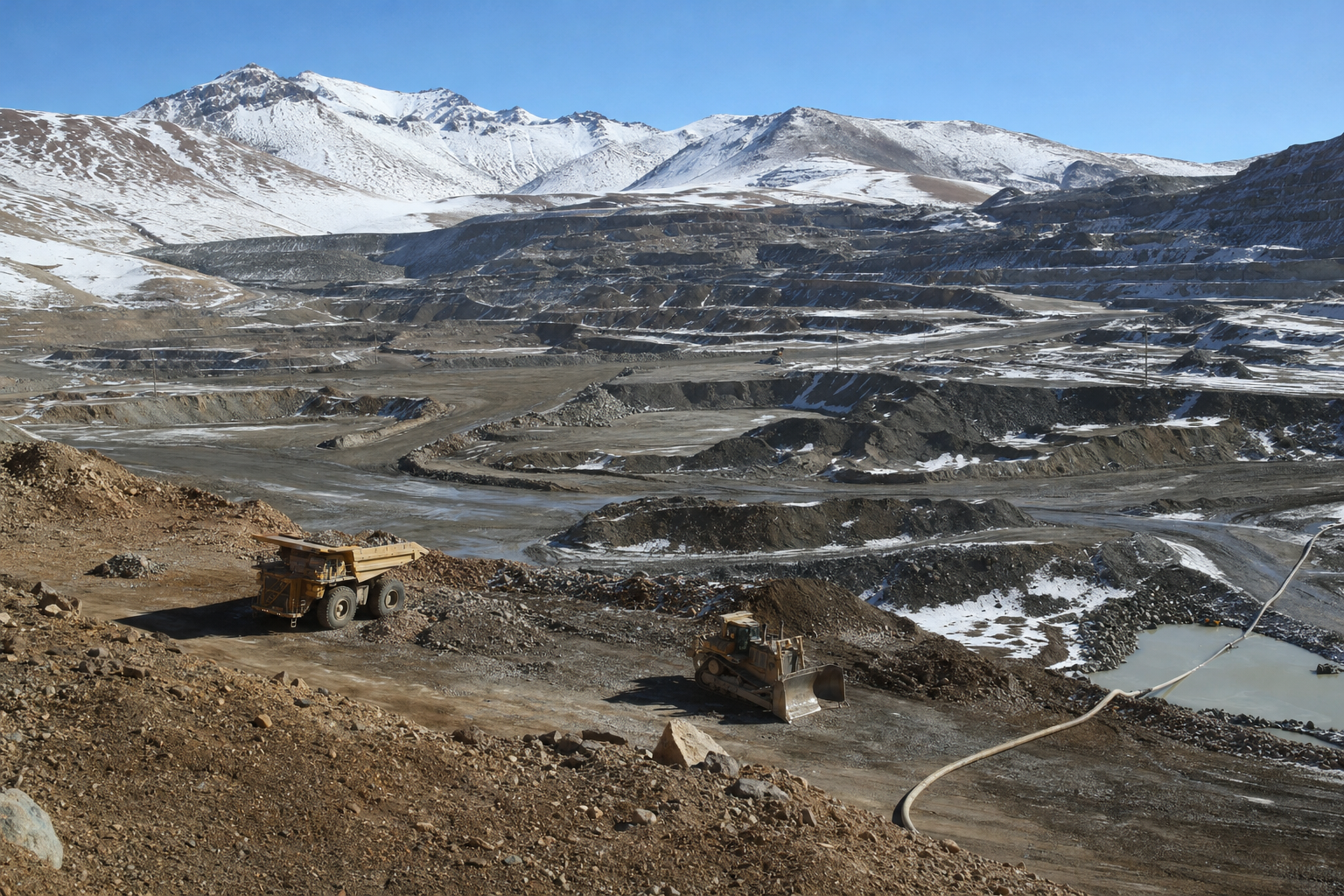
Lundin Mining has reduced its copper production outlook again after severe winter weather in Chile disrupted operations at its Caserones mine. The company signalled a prolonged recovery timeline for the site, indicating that the operational impact will extend beyond the initial storm period. The update underscores how seasonal extremes in Chile can impede mine access, material movement and processing schedules, complicating a swift return to normal run‑rates.
Caserones is a key contributor within Lundin’s copper portfolio, and the extended recovery window highlights the sensitivity of output to adverse weather conditions at high‑elevation operations. While no additional detail was provided on the revised volumes or the pace of ramp‑back, the company’s emphasis on a measured recovery suggests a focus on stabilising conditions before attempting to regain throughput.
Cash Flow Supported by Record Metal Prices
Even as lower copper volumes weigh on near‑term production metrics, record metal prices are cushioning financial performance. Higher realized prices help offset unit cost pressures typically associated with weather‑related interruptions, including reduced mining rates and potential adjustments to mine sequencing. The current price backdrop provides a material buffer to cash flow at a time when physical disruption would otherwise exert a sharper financial drag.
For market observers, the combination of curtailed output and elevated prices is a reminder that supply risk can surface abruptly in major producing jurisdictions. Weather is an unpredictable variable; when it intersects with critical assets, guidance changes can follow quickly. In this instance, the company’s acknowledgement of a prolonged path back to steady‑state underscores the operational prudence often required after significant climatic events.
What to Watch
Attention will centre on the pace of normalisation at Caserones, including any indications that mine access, haulage and plant stability are improving as conditions moderate. Any further commentary on mitigating actions, sequencing adjustments or timing for restored throughput will shape expectations for the remainder of the year. More broadly, the episode feeds into a wider discussion on copper supply resilience, with Chile remaining a core node in the global copper chain.
Operational variability in industrial metals mining contrasts with the continuity of vaulted, allocated precious‑metal holdings, which are not exposed to mine‑site weather interruptions.