
7 نوفمبر 2026
هذا المقال متاح باللغة الإنجليزية فقط.
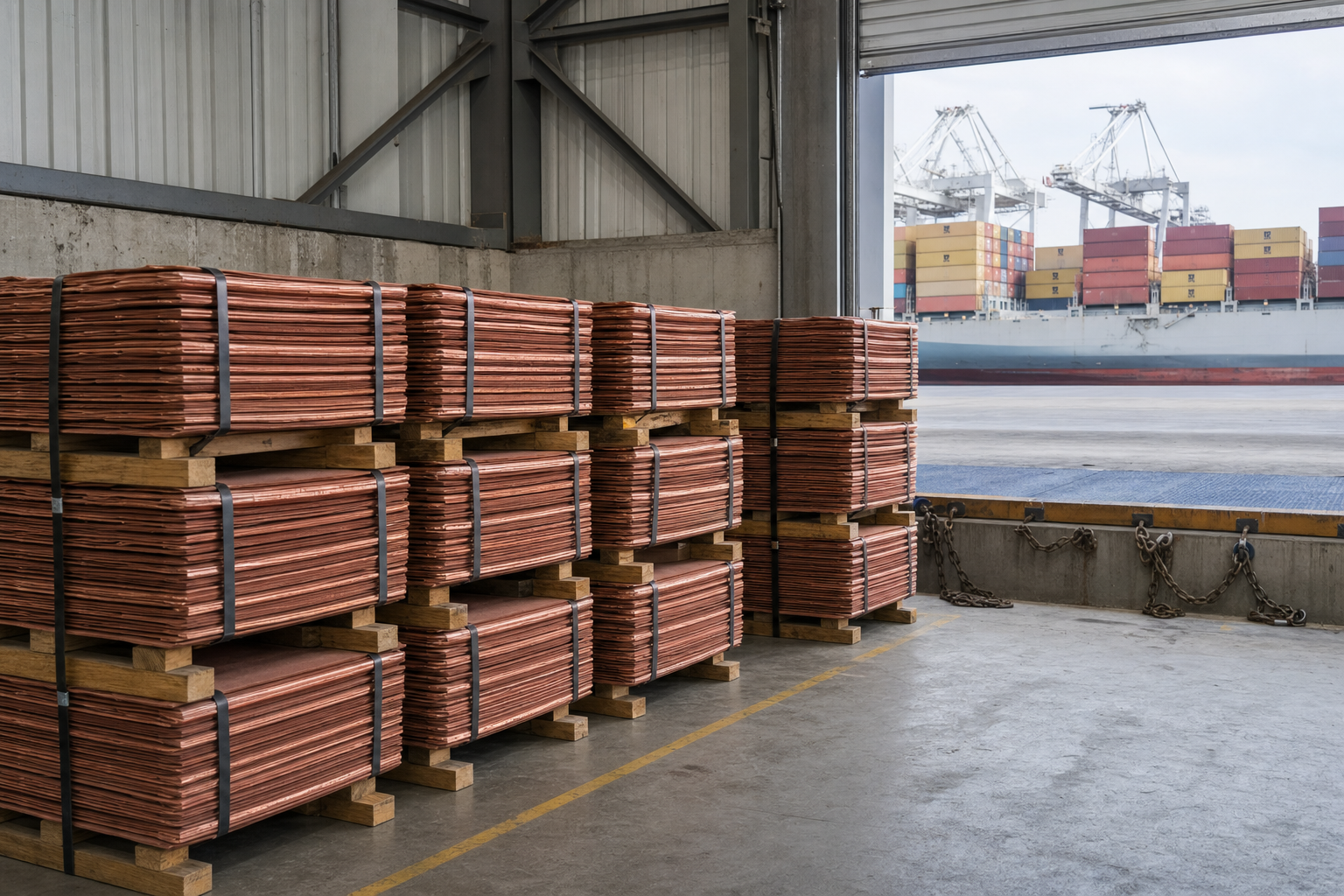
US Vote Shifts Trade-Policy Calculus
Copper market tone weakened into the weekend as investors digested US midterm election results showing Democratic Party gains. The outcome lowers the perceived probability of new or expanded import tariffs in the near term, a policy track that had been viewed as a potential source of disruption across industrial supply chains. With tariff risk receding, one strand of support tied to trade frictions and precautionary stocking appears to be fading from the copper narrative.
The market’s focus turns to how a less protectionist backdrop may filter through to physical flows, manufacturing margins and macro drivers. Tariffs can constrain cross‑border movement of manufactured goods and intermediate inputs, alter relative pricing between domestically produced and imported items, and stoke inflation through higher landed costs. A softer tariff outlook implies fewer frictions, potentially easing some of those cost pressures and reducing the incentive for defensive inventory builds that had underpinned sentiment at times this year.
Channels To Watch: Demand, FX, And Supply Chains
Copper’s demand profile is tightly linked to construction, power infrastructure and manufacturing. Trade barriers can depress finished‑goods output but also can prompt substitution, reshoring and policy responses that, at the margin, stimulate metals‑intensive activity. With the prospect of new duties dialled back, the market is reassessing whether anticipated offsets to weaker trade—such as targeted stimulus or accelerated domestic buildouts—will be as forceful. That reassessment leaves price risks more sensitive to near‑term indicators from industrial production and grid investment rather than to tariff headlines.
The currency channel also matters. Tariffs tend to be inflationary, which can feed into interest‑rate expectations and the US dollar’s path. A diminished tariff impulse could temper some of that effect, with implications for dollar‑denominated commodity pricing. In parallel, logistics and procurement strategies may normalise if companies anticipate steadier customs regimes, affecting order timing and apparent demand for cathode, rod and wire.
Positioning remains a wildcard. Policy uncertainty has been a recurrent driver of speculative flows in base metals this year. As the policy premium narrows, participants are likely to focus more squarely on mine supply guidance, smelter maintenance schedules, scrap availability and observed changes in refined inventories to gauge balance tightness.
For precious metals with industrial linkages, such as silver, shifts in tariff expectations can also influence fabrication demand and cross‑market sentiment. Allocated physical ownership of bullion is insulated from financial counterparty risk, but not from broader macro drivers shaping metals markets.