7 novembre 2026
Cet article est disponible uniquement en anglais.
A Long-Cycle Operator’s View
Robert Quartermain, a geologist best known for early work underground at Hemlo in the 1980s while at Teck, said that gold at $4,000 “looks very attractive.” He began his career when the metal traded near $140 per ounce and has worked across multiple price cycles. Today, he serves as lead director of the company that acquired an Ontario gold mine from Barrick, bringing an operator’s lens to the discussion of price levels and mine-building economics.
Quartermain’s remarks underscore how experienced builders frame metal prices: not as short-term calls, but as thresholds that can unlock operating options. Higher realized prices can improve project economics, allow cut-off grades to be revisited, and support plans to extend mine life or sequence lower-grade material. For buyers of mature assets, price strength can also widen the toolkit for stabilization, de-bottlenecking and targeted reinvestment.
Why Price Levels Matter for Mines
For producing and near-producing assets, sustained moves in the gold price influence capital allocation, from mill upgrades to additional development headings underground. They can alter the viability of satellite deposits, justify infill drilling to convert resources, or bring previously marginal zones into mine plans. In jurisdictions with lengthy permitting timelines, price resilience is often as important as the headline level; operators tend to look for durable signals before committing significant capital.
Cost inputs—labour, energy and consumables—also shape how attractive a price truly is. After several years of industry-wide inflation, the spread between the gold price and operating and sustaining costs remains the key determinant of free cash generation. When that spread widens, balance sheets generally strengthen and boards gain flexibility to consider development pipelines or selective acquisitions. When the spread narrows, discipline dominates and optionality is preserved.
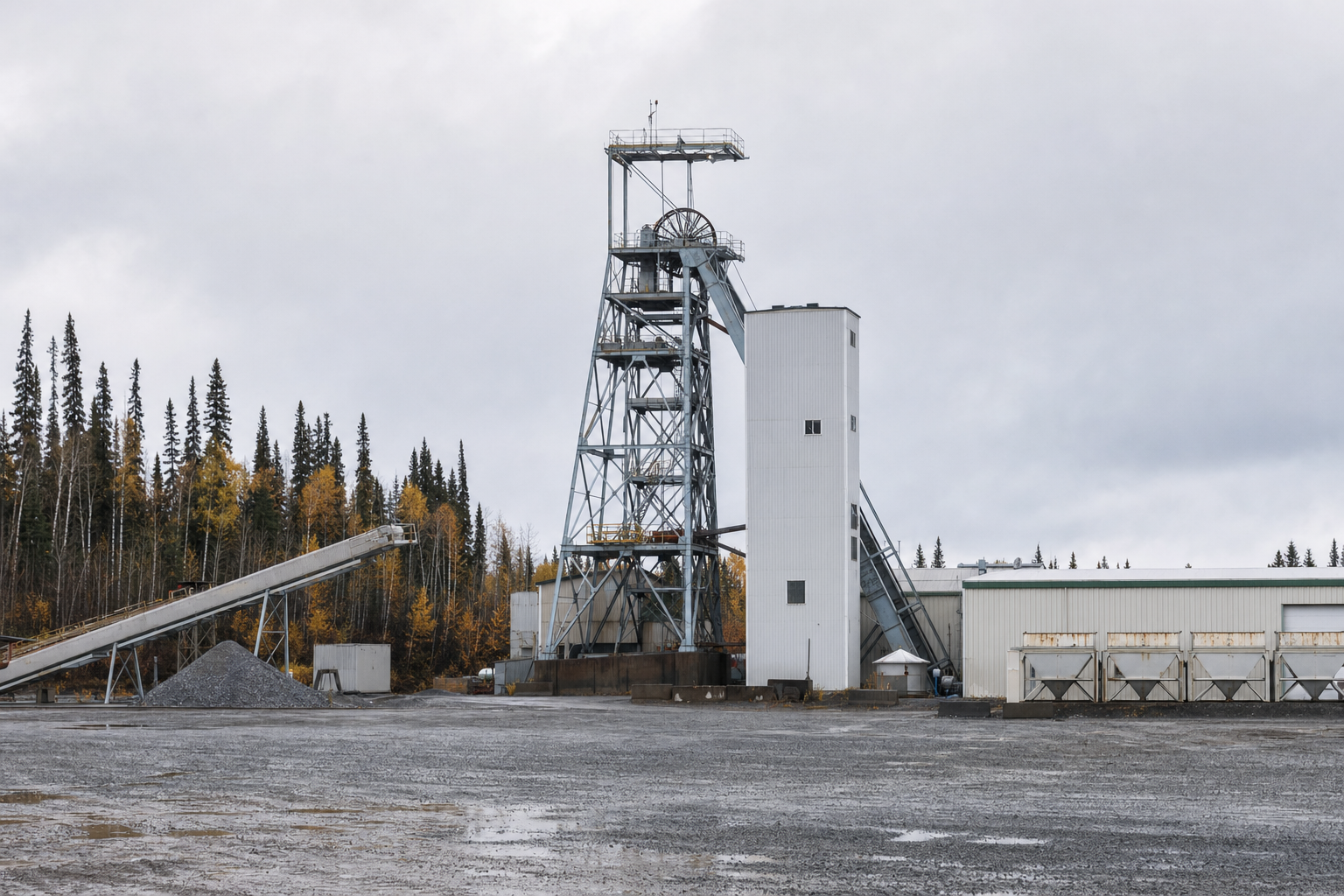
Mergers and asset transfers, such as the Ontario transaction linked to Quartermain’s current role, illustrate another channel through which price informs strategy. In a stronger tape, sellers may crystallize value on non-core mines while buyers with a defined technical plan pursue turnaround potential. The calculus is operational: metallurgy, ground conditions, grade continuity and infrastructure often matter as much as the headline multiple.
What Market Participants Will Watch
Market participants will focus on whether operators signal changes to mine plans, reserve assumptions and capital schedules as price conditions evolve. Commentary from experienced builders provides context for how corporate teams weigh durability of pricing against project risk and permitting paths. The interplay between price, costs and jurisdictional certainty remains central to decisions at producing mines and development assets alike.
For those interested in the metal itself rather than operating outcomes, allocated physical ownership provides direct title to bullion without exposure to mine operating variables.