October 6, 2025
Copper prices experienced a decline on Monday, reversing some of the gains from the previous week. This drop occurred even as supply concerns continued following disruptions at Indonesia's Grasberg mine. By mid-afternoon trading, the benchmark three-month copper on the London Metal Exchange (LME) decreased by 0.7% to $10,639.50 per tonne. This decline came after copper recorded its largest weekly gain in a year.
On the Chicago Mercantile Exchange (CME), three-month futures were trading at $11,115 per tonne, equivalent to $5.0525 per pound, marking a 1% decrease for the day.
The fall in copper prices was influenced by a rebound in the US dollar. The dollar strengthened after France's prime minister announced his resignation and Japan appeared poised to appoint a pro-stimulus leader.
Supply Concerns
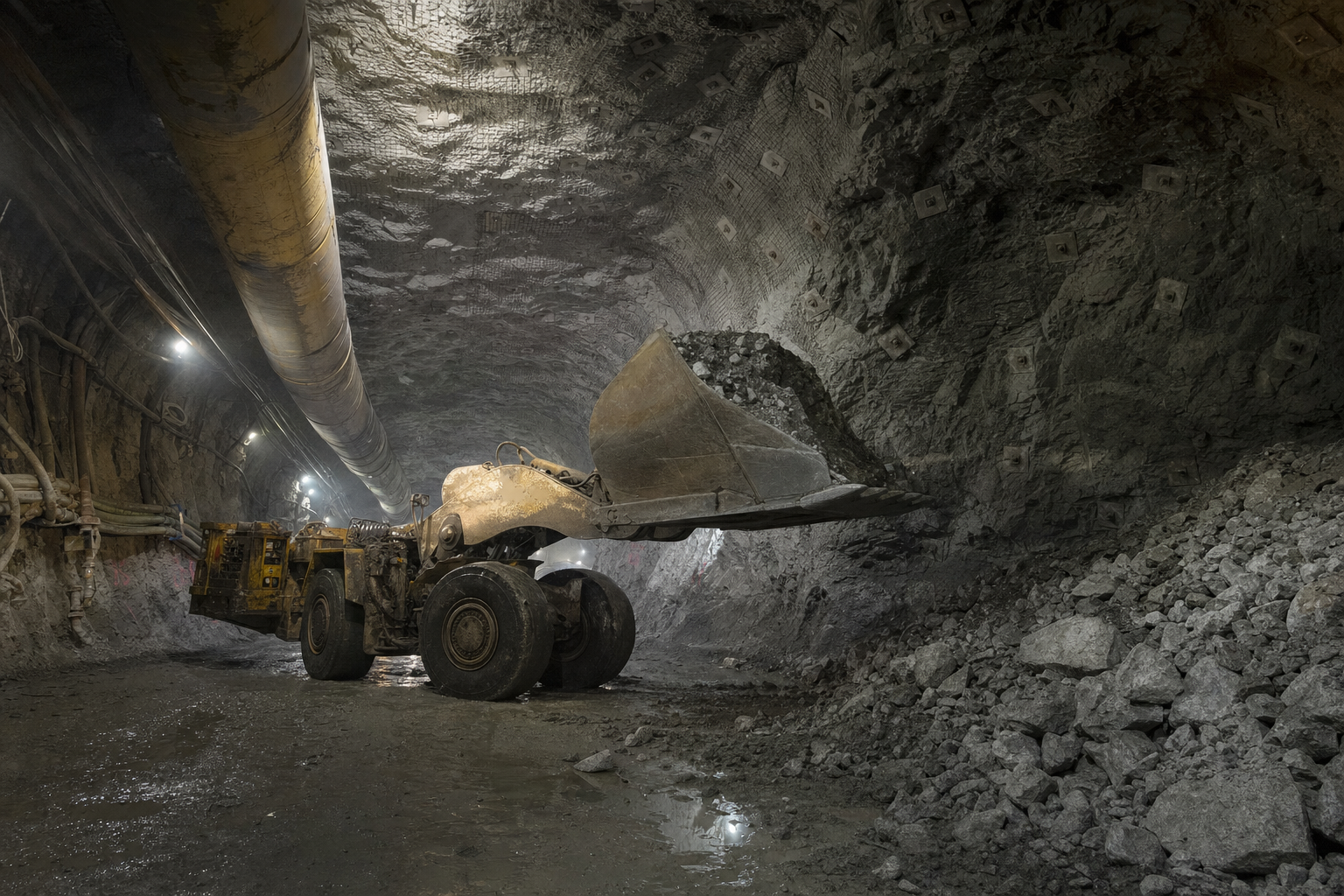
The copper market remains tense due to tighter supply conditions amid disruptions at major operations. Freeport-McMoRan declared force majeure at its Grasberg mine last month after mud flooded underground tunnels, leading to production cuts. On Sunday, the company confirmed that all seven workers missing after the incident have been found dead, following the discovery of five additional bodies. Grasberg, located in Papua, is the world's second-largest copper mine and a crucial global supply source.
Economic Focus
Investors are expected to focus on upcoming US economic data, including jobless claims and inflation expectations, although releases may be delayed due to the ongoing government shutdown. Comments from Federal Reserve officials also impacted market sentiment. Dallas Fed President Lorie Logan stated on Friday that the central bank is further from its inflation target than from maximum employment, indicating caution on rate cuts.
Analysts anticipate that an eventual easing cycle could support copper and other commodities by weakening the dollar. However, Jefferies analyst Christopher LaFemina warned that aggressive monetary easing could lead to an inflationary spike in commodity prices, potentially harming economic growth.
"A Fed rate cut cycle, despite the economy being relatively strong, should be bullish for commodity prices," LaFemina noted. "Still, there's a risk of an inflationary commodity price spike that damages the economy."
(With files from Bloomberg)