July 15, 2026
Drill Results Indicate Potential Beyond DFS Plan
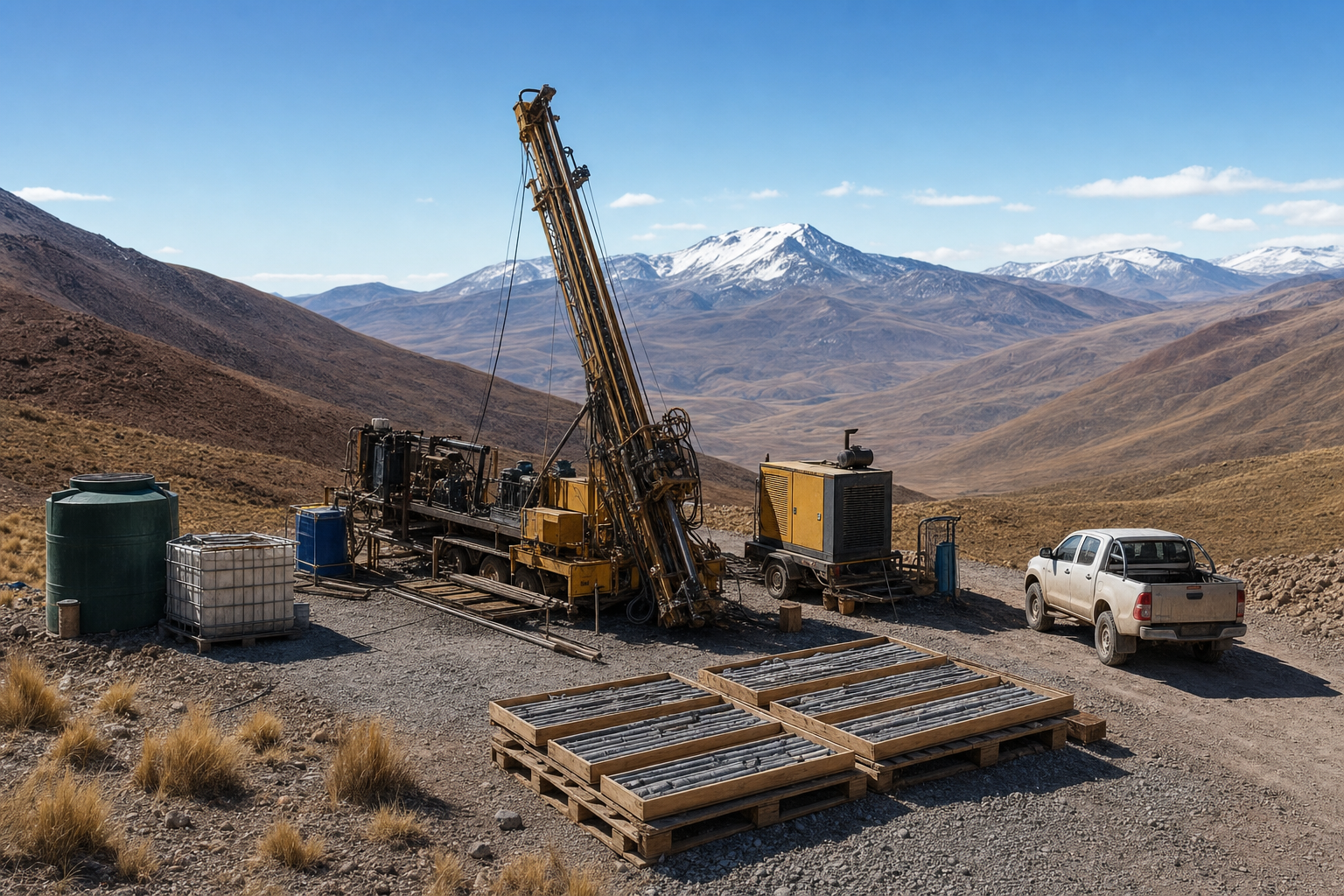
AbraSilver has announced new drilling at its Diablillos project that points to silver-gold resource growth beyond the scope of the current definitive feasibility study (DFS) mine plan. While specific intercepts and figures were not disclosed in the brief update, the takeaway is that recent holes indicate mineralization extending outside, or exceeding, what is presently captured in the study’s planned mine design.
The development underscores a common inflection point for advanced-stage projects: as technical studies are finalized, additional drilling can reveal continuity or extensions of mineralized zones not fully reflected in earlier models. In practical terms, such results often set up future resource updates that, if confirmed by subsequent work, can influence how a project is scheduled and engineered.
Why Resource Growth Matters at the DFS Stage
A DFS mine plan typically converts a portion of measured and indicated resources into reserves, lays out a mine schedule, and frames the initial economic case. Drilling that suggests mineralization beyond that plan does not immediately change a project’s status, but it can provide a pipeline of potential ounces or tonnes to evaluate in follow-on technical studies. In general across the sector, this may translate into options to reassess pit shells or underground stopes, consider alternative sequencing, or explore the possibility of longer operating horizons—subject to confirmation through further drilling, modeling, and permitting.
From a capital planning perspective, exploration success near or adjacent to planned infrastructure can be valuable because incremental additions may leverage sunk costs. Conversely, any prospective growth must still be de-risked through technical work, cost updates, and, ultimately, execution. The results signal that Diablillos may have such prospective upside to investigate beyond what is currently embedded in the DFS framework.
Broader Context
It is common for companies at the feasibility stage to maintain parallel workstreams: progressing studies and approvals while continuing targeted drilling. This can refine block models, improve geologic confidence, and test for extensions that could be incorporated later. The pace and extent to which new drill data translate into updated resources or reserves varies by project and is contingent on further results and engineering.
For readers tracking precious metals supply, mine-level resource additions can shape medium-term project pipelines rather than immediate market balance. Physical ownership of gold and silver reflects exposure to the metals themselves, distinct from the technical, operational, and jurisdictional risks inherent in developing and operating mines.