October 21, 2026

Key Statement In London
Canada’s energy minister, Hodgson, told attendees at an event in London that the mining industry is entering the largest investment supercycle in history. Framing the shift in strategic terms, he said “critical minerals are no longer simply industrial commodities.” The comments underscore how governments now view mineral supply as a matter of economic security, energy transition delivery and industrial competitiveness rather than a purely cyclical, materials-driven trade.
The characterization of a “supercycle” points to expectations of sustained capital deployment across the value chain—from exploration and project development to midstream processing and refining—focused on minerals essential to electrification, digital infrastructure and advanced manufacturing. While the term captures momentum, the pathway will still be shaped by permitting timelines, financing conditions, and the availability of skilled labor and equipment.
What A ‘Supercycle’ Implies For Miners
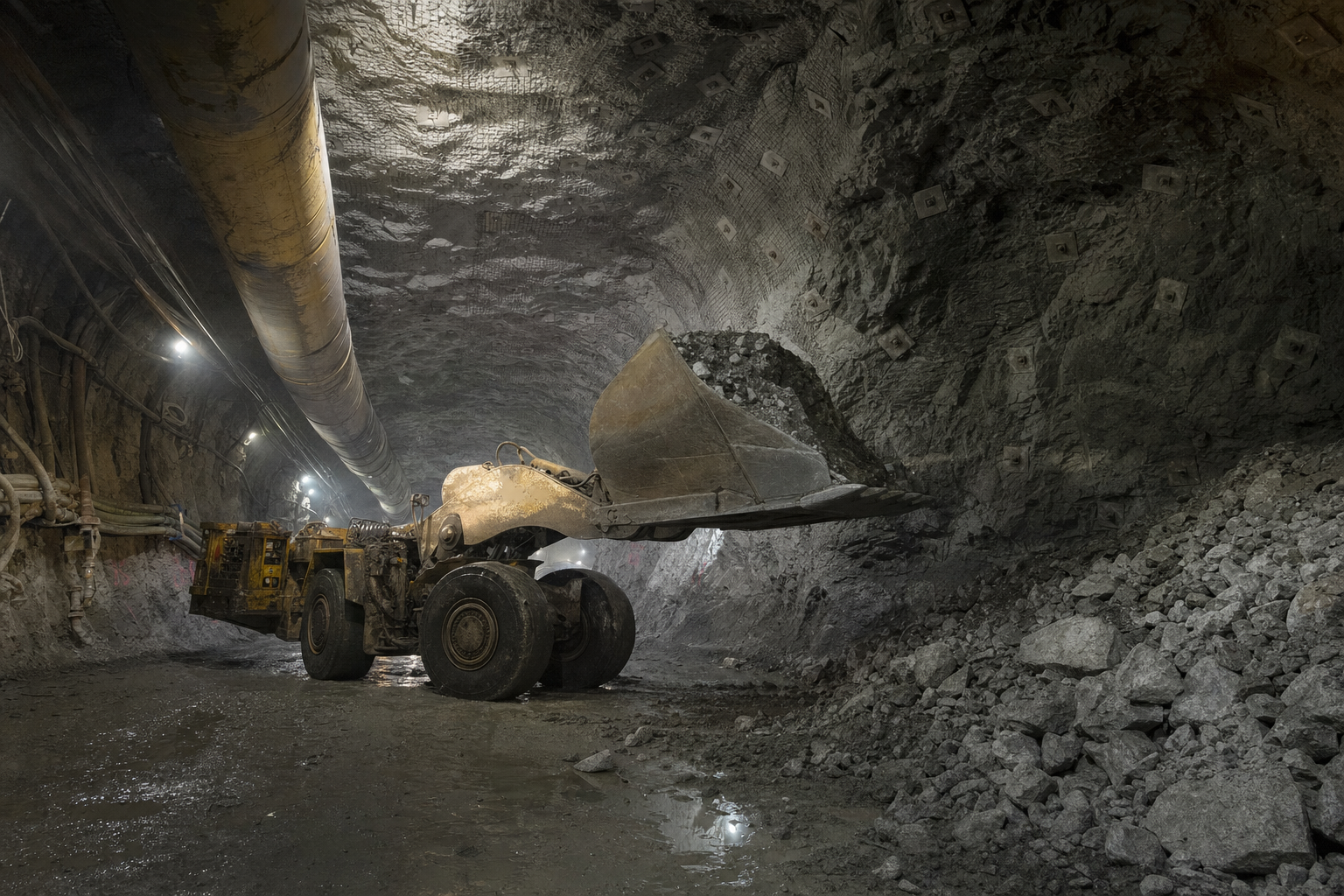
A broad-based upswing in investment typically accelerates feasibility work, mine construction and expansion programs, alongside new capacity in processing hubs. For critical minerals, that includes efforts to localize or diversify refining steps historically concentrated in a few regions, as well as to deepen recycling and material substitution where viable. Competition among jurisdictions for project capital can intensify, with policy tools calibrated around infrastructure support, regulatory clarity and offtake frameworks.
Such cycles can strain supply chains in the near term—tightening availability of mining services, specialized equipment and reagents—before new capacity eases bottlenecks. Project pipelines may also skew toward assets with clearer line of sight to downstream demand, grid access and logistics. Execution risk remains central: capex inflation, schedule slippage and community or environmental considerations can influence delivery and cost curves even in an ostensibly supportive macro environment.
Broader Metals Context
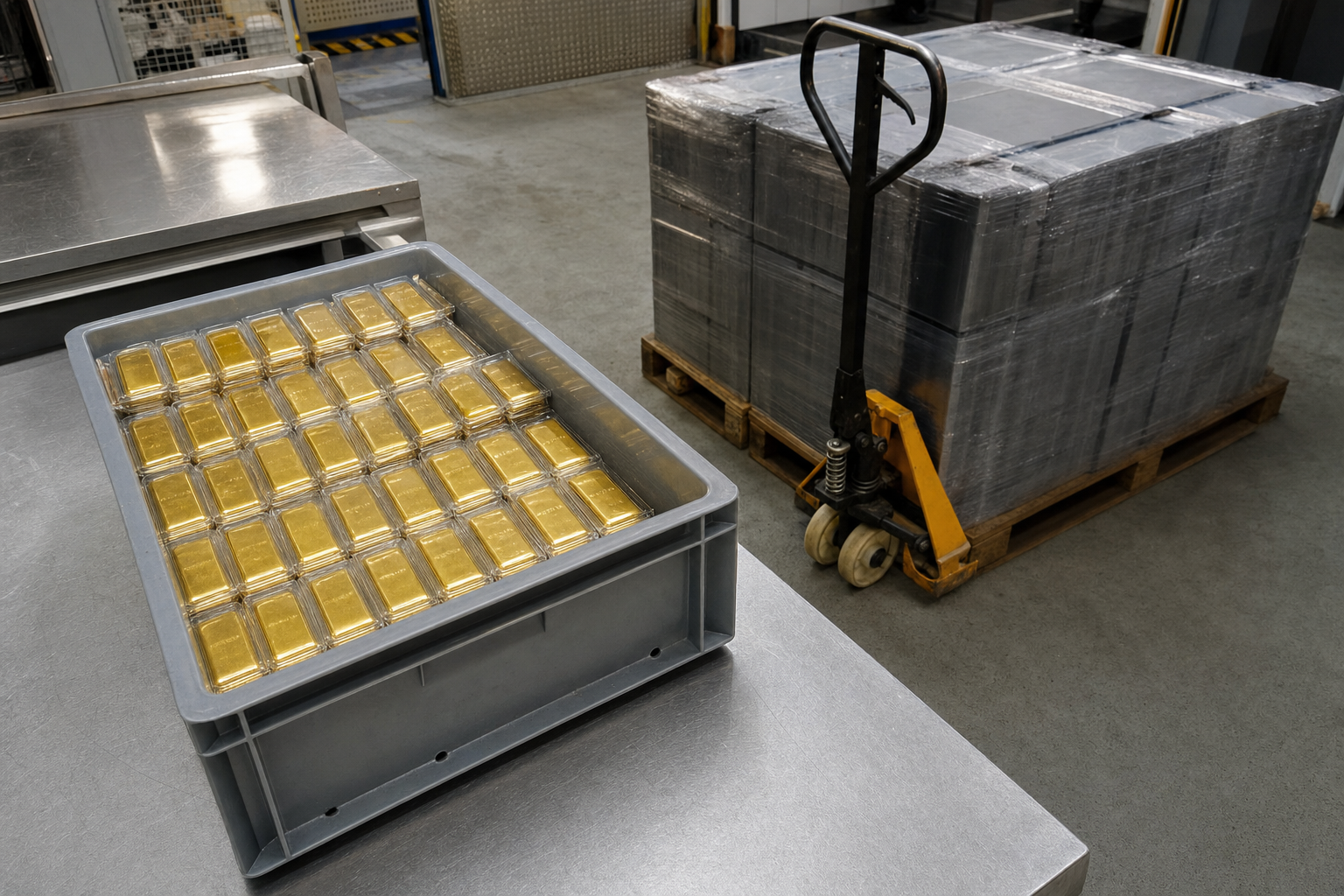
For bulk, base and technology metals, an investment wave can reshape cost structures and regional supply balances over time, often with uneven timing between demand realization and project commissioning. Precious metals sit adjacent to these dynamics: sector-wide capex cycles affect exploration budgets, by-product flows and investor risk appetite across mining equities, which can in turn influence liquidity and hedging behavior in metals markets. In periods of structural change, clarity around provenance and custody of metal stocks becomes more salient; for gold and silver, that supports the ongoing role of physically allocated holdings within diversified reserves.