September 14, 2026
Monument Bay Returns To The Gold Pipeline
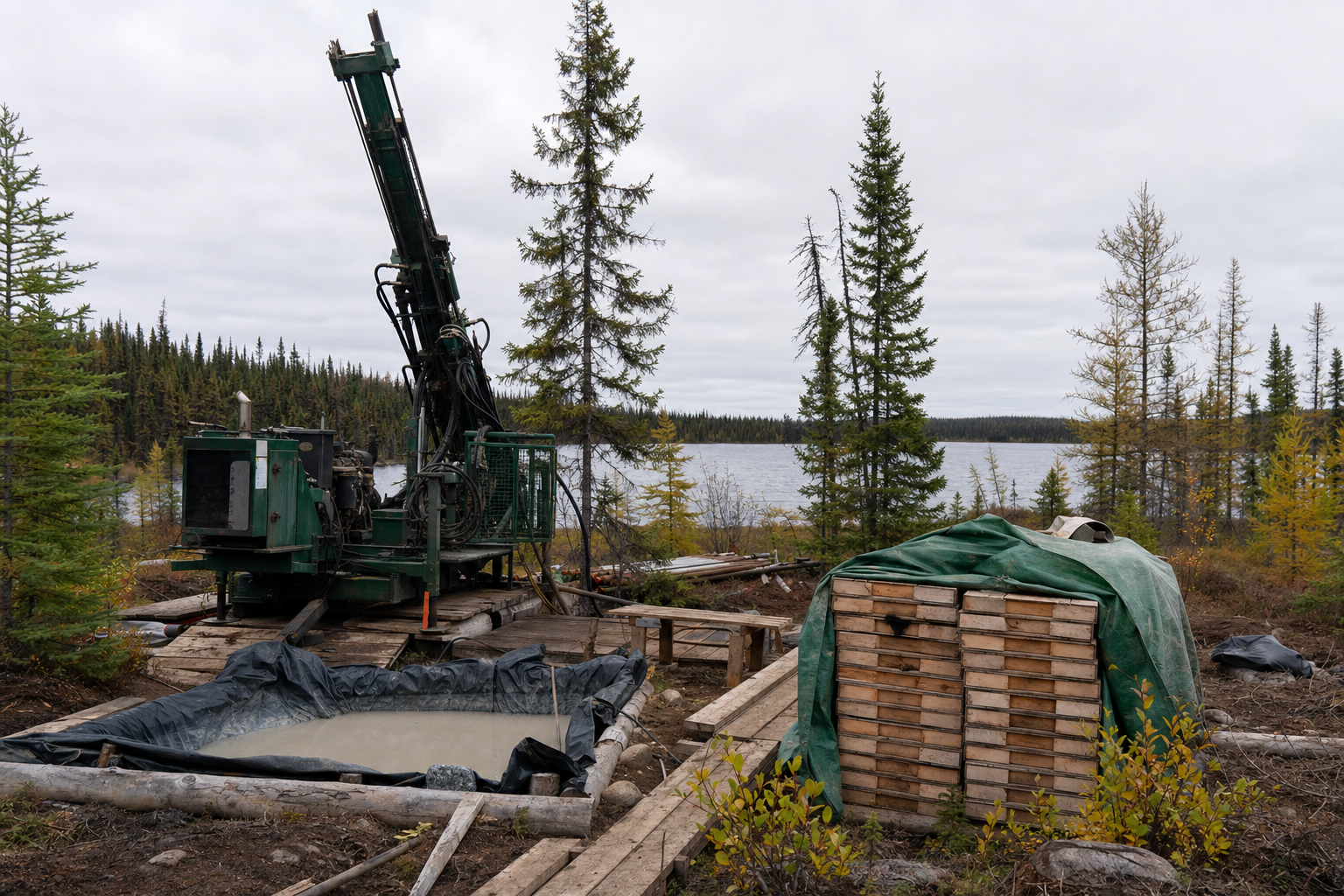
ONGold has revived the Monument Bay gold project in Manitoba, outlining 2 million ounces in the measured and indicated resource categories. The project re-emerges after nearly a decade, placing a previously inactive Canadian asset back into the development queue at a time when investors track the replenishment of future mine supply.
The disclosure repositions Monument Bay within the subset of North American gold projects carrying formal resource estimates rather than early-stage exploration targets. While the announcement centres on a resource figure, it does not in itself imply a development schedule or production decision. For now, the update marks a status shift: from dormancy to an advanced exploration footing supported by an inventory statement.
Understanding The Resource Classification
Measured and indicated resources represent higher-confidence mineral estimates than inferred resources, reflecting greater geological continuity and data density. They remain, however, mineral resources—not mineral reserves—and therefore do not demonstrate economic viability. Converting resources to reserves typically requires additional drilling, engineering studies and economic analysis to support a mine plan.
For readers comparing project stages, resource updates are an intermediate waypoint between exploration results and feasibility work. The path from a resource statement to any potential construction decision commonly involves metallurgical testwork, geotechnical and hydrogeological assessment, environmental baseline studies, and permitting. Each step can refine tonnage, grade distribution, recoveries and mine design parameters, potentially affecting both scale and timing.
What To Watch Next
With Monument Bay back on the radar, the focus shifts to the technical and regulatory steps that often follow a reactivated project. Companies at this stage frequently aim to tighten confidence around the deposit through infill drilling, examine processing options through lab and pilot-scale tests, and assess site layouts and infrastructure needs through engineering trade-offs. Engagement with local and regional stakeholders is typically integral throughout.
From a market perspective, bringing a dormant project forward with a measured and indicated resource adds depth to the longer-dated project pipeline but does not materially alter near-term gold mine supply. Resource-stage assets contribute optionality; whether and when they transition to construction depends on subsequent study outcomes, capital availability, and permitting timelines.
In sum, ONGold’s update places 2 million measured and indicated ounces back into view at Monument Bay, restoring a Canadian project to active status after years on the sidelines and offering a clearer starting point for any future technical and economic work.
For holders of allocated physical metal, such project developments shape the contour of potential future supply rather than immediate availability.