August 17, 2026
Seoul Links Financing to Metal Access
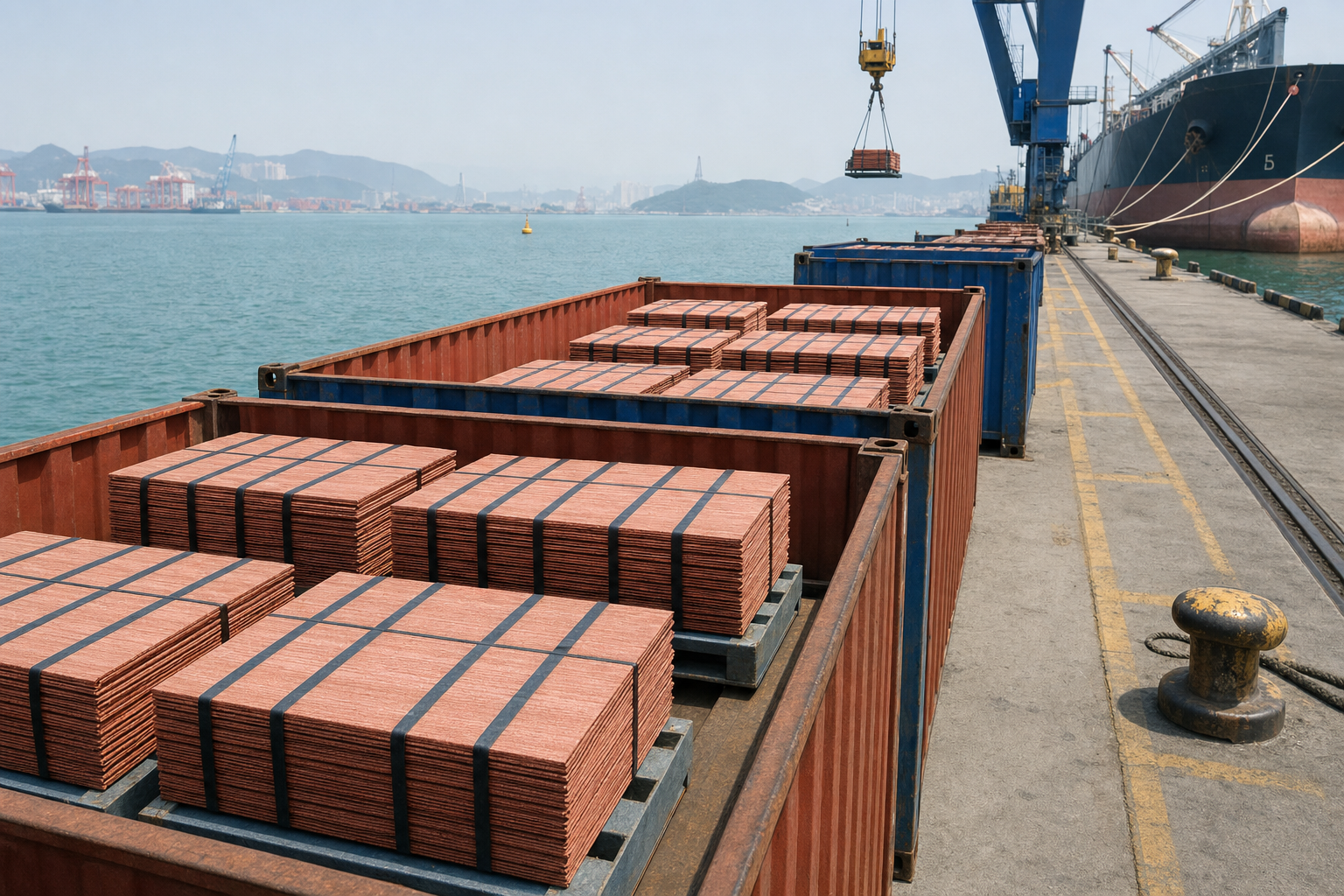
South Korea has arranged a $1 billion loan deal with Glencore that ties financing to long-term access to copper, aligning national industrial needs with a tightening global market for the metal. The structure sets out a pathway for assured supply over an extended period, reflecting the growing importance of copper to data center expansion, grid reinforcement and electrification programs.
The agreement underscores how governments and industrial economies are moving to secure critical inputs as demand from artificial intelligence infrastructure, power transmission upgrades and transportation electrification accelerates. Copper’s role as a conductor across cables, transformers, motors and server facilities places it at the center of this build-out, while new mine supply has struggled to keep pace amid permitting hurdles, grade decline and intermittent operational disruptions.
Glencore remains one of the world’s largest copper marketers and producers, with an extensive global trading network that can match regional demand to mine and refinery output across multiple jurisdictions. For South Korea—an export-oriented hub for electronics, shipbuilding, battery materials and heavy industry—the arrangement provides a framework to anchor procurement in a market where spot availability can fluctuate.
Market Context and Strategic Signals
Copper market balances have tightened as infrastructure and technology spending pull forward consumption. Inventories across key warehouses and supply chains have exhibited variability, amplifying the incentive for end-users to seek term frameworks that stabilize flows. While headline prices are shaped by macroeconomic conditions, the physical market is increasingly influenced by localized constraints in smelting capacity, concentrate availability and logistics.
By linking finance to metal access, Seoul is employing a resource-backed approach that aligns funding with procurement outcomes. Such structures can mitigate timing risks between capital needs in the supply chain and delivery windows for refined metal. They also signal a preference among major consumers to reduce exposure to short-dated market dislocations through multi-year arrangements, even as broader commodity cycles remain uncertain.
Implications for Supply Chains
The deal highlights a competitive landscape for long-term copper units in Asia, where grid projects, renewable connections and large-scale computing facilities are expanding. For merchants and miners, downstream financing tied to offtake can facilitate working capital and underpin investment in throughput. For buyers, the visibility on volumes and schedules can support planning for manufacturing and infrastructure timelines.
Beyond immediate flows, the agreement reinforces a trend in which physical access strategies—credit, offtake and storage—are becoming central to industrial policy. As supply chains reconfigure around reliability and resilience, the contest for future copper tonnage is likely to remain a defining feature of procurement planning across the region.
Tightening base-metal supply arrangements underline a wider shift toward securing physical availability across commodities, including allocated precious metals held outside the financial system.