August 31, 2026
Strategists Signal a Turn in the Cycle
UBS strategist Sagar Khandelwal has urged clients to “position for a commodity upcycle,” framing a case that multiple structural forces are aligning to lift hard assets. The call closely follows commentary from veteran commodities strategist Jeff Currie, who told investors to “get long and buckle up” for the next leg of the commodities rally. While the tones differ, the messages converge on the view that conditions are taking shape for a multi‑year phase favoring commodities.
Khandelwal’s thesis centers on a convergence of drivers: accelerating electrification, surging power demand, heavy investment in artificial‑intelligence infrastructure, persistent supply constraints, and the effects of underinvestment across resource supply chains. The argument is that demand growth tied to power and data intensity is rising into supply systems that have been slow to add capacity, potentially tightening balances across multiple markets.
What Is Driving the Thesis
Electrification and grid expansion tend to be metal‑heavy, drawing on conductors and transformers, while renewable buildouts, transmission upgrades, and storage also add to raw‑material intensity. Parallel to this, AI data centers and high‑performance computing increase electricity load and require substantial physical infrastructure, reinforcing upstream demand for energy and materials. These factors are not developing in isolation; they compound alongside conventional needs in construction, transport and industry.
On the supply side, constraints reflect both geology and capital discipline. Years of cautious spending have left fewer shovel‑ready projects and longer lead times for mines, smelters, refineries and energy production. Infrastructure permitting and skilled‑labor bottlenecks can extend timelines further. In such an environment, small demand surprises can have outsized price impacts, particularly in markets where inventories are thin or where substitution is limited by performance requirements.
The upcycle framing spans a broad set of hard assets, including base and precious metals, energy commodities, and some bulks. However, cycles are seldom linear. Policy paths for energy transition, power‑market reforms, and regional growth trajectories will influence the pace and breadth of any move. Currency dynamics and financial conditions can amplify or dampen investment flows into commodity exposures, while supply responses, when they arrive, can moderate tightness with a lag.
What to Watch
Key indicators include electricity load growth, data‑center capacity additions, transmission and renewable deployment rates, and capital‑expenditure commitments across mining and energy. Project pipelines, permitting milestones, and inventory trends will help gauge potential inflection points on the supply side. Divergences across regions are likely, with localized tightness or relief depending on grid buildouts, logistics and policy support.
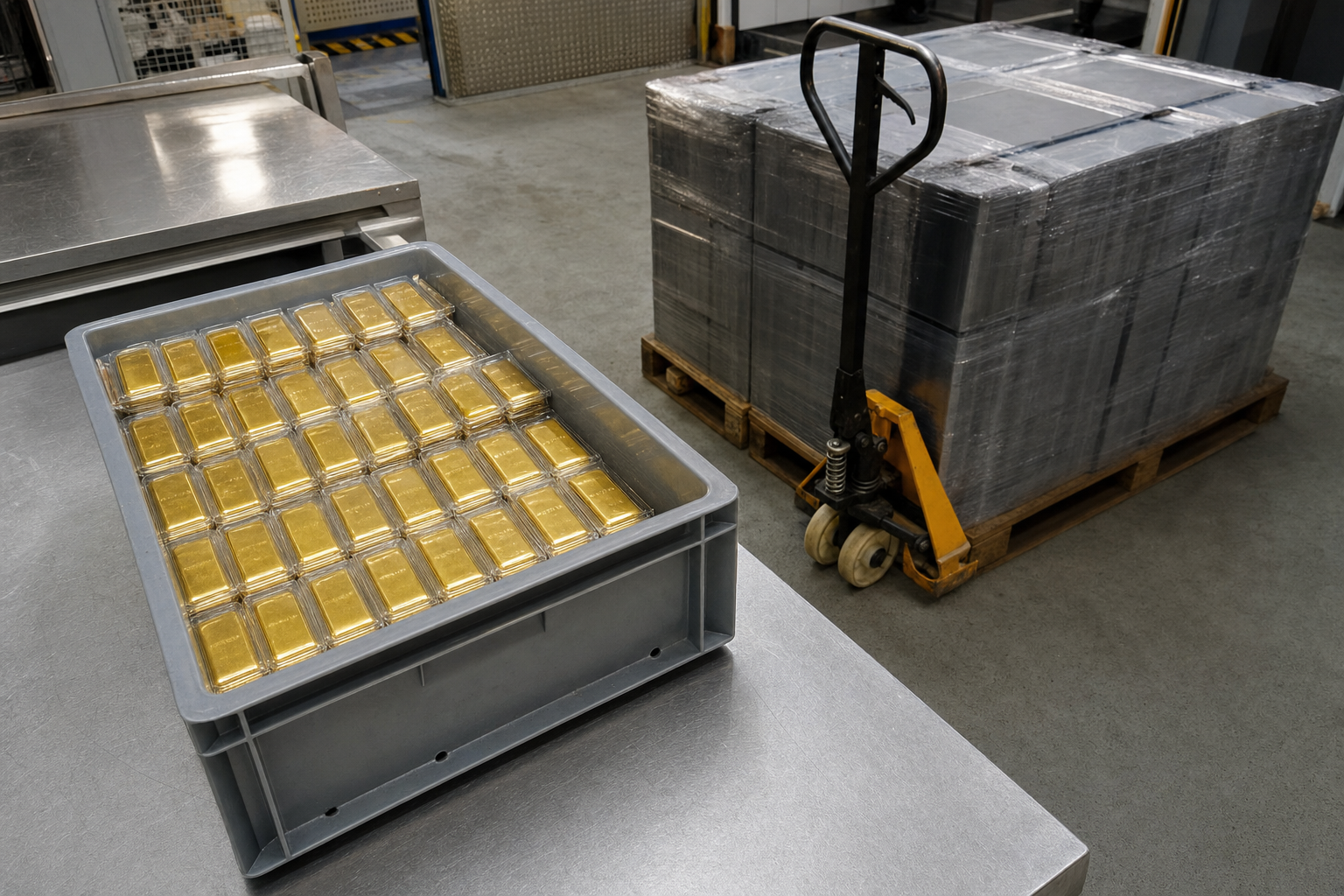
While strategist views set the tone, realized fundamentals will determine durability. Monitoring how demand materializes against constrained supply capacity remains central to understanding the trajectory of hard‑asset markets. For direct metal exposure, allocated physical ownership represents title to specific bars stored in professional vaults.