
October 1, 2026
Update
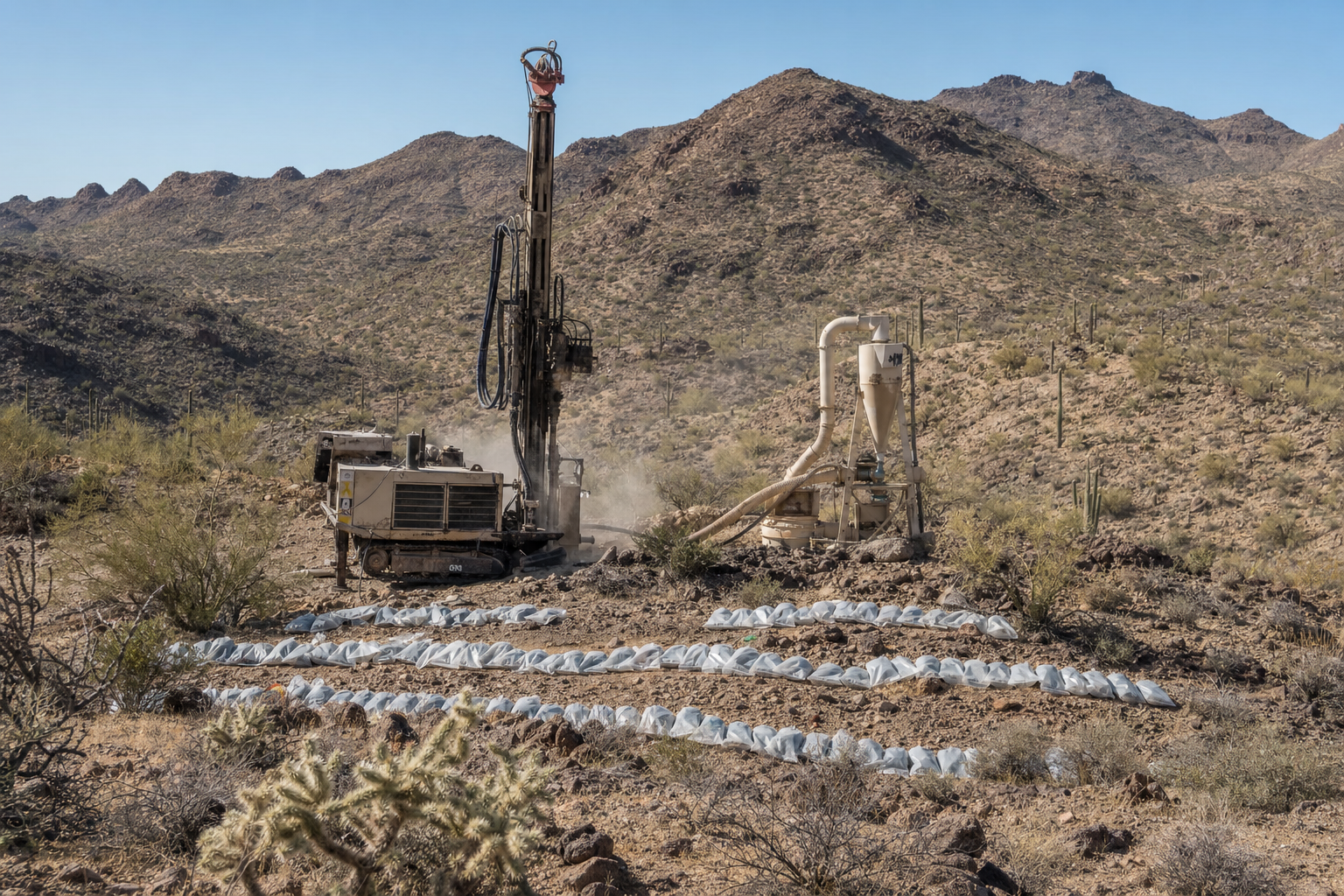
Arizona Gold reported the identification of high-grade zones at its main project in the historic Oatman mining district in Arizona. The disclosure underscores renewed exploration focus in one of the American Southwest’s long-lived gold camps, where cumulative production has exceeded 2.5 million ounces. While specific assay details were not included in the brief update, the reference to “high-grade zones” highlights a key lever for potential project advancement, with grade often a decisive factor for mine design, scheduling and economic sensitivity.
Context and Significance
Historic districts that have seen multiple production phases can yield new targets as geological models evolve and modern drilling refines structural understanding. In such settings, the delineation of higher-grade areas can influence cut-off assumptions, guide step-out drilling, and frame decisions around selective versus bulk mining approaches. Establishing the continuity, geometry and true thickness of these zones will be central to any subsequent resource modeling. From a technical workstream perspective, the market typically watches for follow-on drill results, updates to resource estimates, and early metallurgical indications that inform recovery assumptions. Infrastructure access, hydrology and geotechnical characterization are additional inputs that shape development pathways.
For projects in mature jurisdictions, permitting and baseline environmental work proceed alongside technical studies. As projects advance, the interplay among grade distribution, dilution control, and processing route selection tends to drive operating cost ranges and capital intensity. High-grade intercepts, when supported by sufficient density and continuity, can improve optionality by allowing targeted mine planning or by creating starter areas that may enhance early cash flow metrics in formal economic studies.
What to Watch
Near-term, further clarity generally comes from detailed drill sections, plan maps and composited intervals that show whether high-grade material clusters into coherent shoots or remains isolated. The timing and scope of any resource update, along with comments on metallurgical performance and potential mining method, help frame risk and schedule. Market participants also monitor how companies balance exploration drilling against technical de-risking, and whether sequencing favors infill to convert ounces or step-outs to grow the envelope. Financing choices and partnership structures, if contemplated, often align with the cadence of technical milestones.
Exploration and development news informs expectations for future mine supply, but it does not alter the characteristics of allocated physical bullion, which is held outright and independent of project execution risk.