November 4, 2026
Canada Bucks The Downtrend
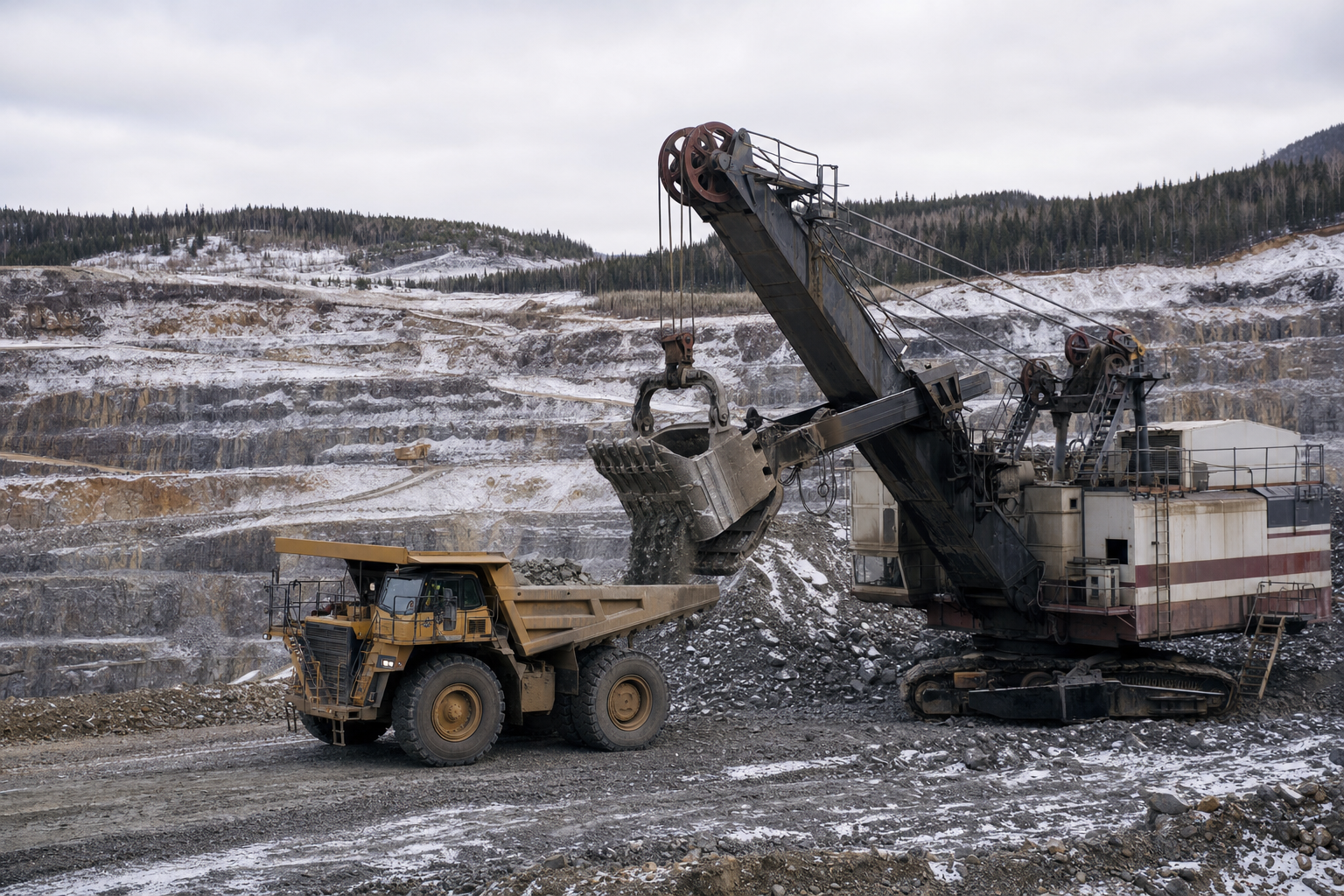
Canada’s gold production has risen by 22%, diverging from a broader softening in global mine supply. The gain underscores how recent project additions and ramp‑ups can move national output meaningfully at a time when other regions are seeing tighter volumes.
The increase reflects new operations reaching commercial levels and existing sites stepping up throughput after commissioning phases. While individual site contributions vary, the aggregate effect has been a clear lift to Canada’s mined output, providing incremental supply into the refining and doré trade.
Grade And Planning Headwinds Elsewhere
The global picture is more constrained. In several established mining jurisdictions, operators are managing lower grades and adjusting mine plans, dynamics that typically translate into fewer ounces even where total material moved remains steady. Grade variability across ore bodies, sequencing choices, and interim redesigns can all pull on headline output, and those pressures have been visible across parts of the industry this year.
These cross‑currents—Canadian growth on one side, tighter production elsewhere on the other—help explain why national gains are not translating into a broader global increase. With mine plans evolving in response to geology and operating conditions, near‑term production profiles can change without necessarily altering long‑term resource endowment.
Supply Mix Implications
A 22% rise from one of the larger producing countries adds measurable tonnage to mined supply flows, even as the worldwide total edges lower. For the midstream, that can mean shifts in doré routing, refining schedules, and bar availability by origin, though the overall market continues to be anchored by substantial above‑ground stocks and recycling. The present pattern highlights the importance of project pipeline timing: when new capacity arrives as others retrench or re‑sequence, regional supply shares can move quickly.
Market participants will be watching whether Canada’s step‑up is sustained as new operations stabilise and how long grade and planning headwinds persist in mature districts. Changes in the mine mix and grade profile typically filter through to refined output with a lag, shaping the composition of newly produced bullion entering wholesale channels.
For holders of allocated metal, these production shifts are part of the backdrop to physical market liquidity, which also reflects existing inventories and secondary supply.