November 10, 2026
Resource Base Meets Geography
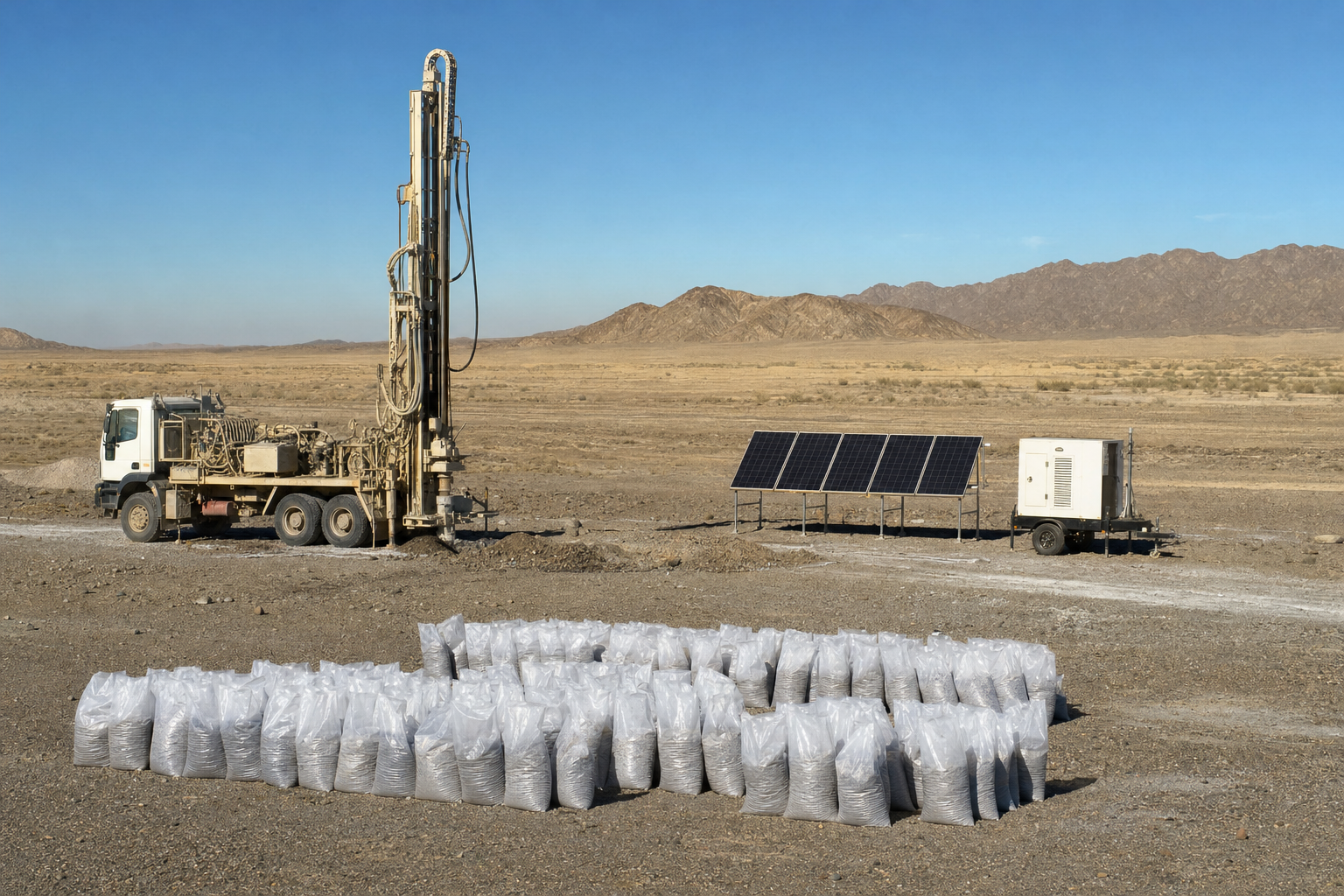
Chagai, the largest district along the frontiers with Iran and Afghanistan, is back in focus as a prospective centre for battery minerals development. The area is known for rich copper-gold deposits, positioning it within the broader conversation about securing future inputs for electrification. Its scale and proximity to regional borders place it near potential overland trade corridors, while its arid expanses are cited for renewable energy potential to power mining activity.
Copper’s role across power grids, electric vehicles and stationary storage makes any new district-scale supply concept notable for long-horizon planners. The co-occurrence of copper and gold in Chagai adds a precious metal dimension to the resource mix, with gold often a co-product in porphyry systems. While detailed project timelines and capacities are not defined in today’s discussion, the presence of mineralisation paired with open land for power infrastructure underpins the question now being asked of the district: can it host a low‑carbon pathway from exploration through to extraction and processing?
Low-Carbon Pathway Considerations
A low‑carbon mining hub implies reliable on-site or near-site renewable generation integrated with mining loads. In arid districts, solar and, where feasible, wind can reduce reliance on diesel or distant thermal power. For copper and associated processing steps, power intensity and emissions tracking are increasingly material to offtakers seeking to document supply chain footprints. If renewable potential in Chagai can be harnessed at scale, it would speak directly to that emerging procurement priority.
Beyond power sourcing, low‑carbon outcomes also depend on infrastructure choices across water management, haulage and processing flowsheets. The headline questions are familiar across new mining jurisdictions: can energy supply be decarbonised; can it be delivered at the scale and stability mining requires; and can this be done within a framework that enables export to regional markets? The debate around Chagai now centres on whether those elements can align with its copper‑gold endowment to create a competitive, lower‑emissions supply node.
Market Lens
Market attention on battery mineral supply has widened from headline materials to the enabling metals that carry current across vehicles and grids. In that context, a district‑level concept marrying copper‑gold resources with renewable power prospects is notable. It suggests a route by which new tonnes, if ultimately developed, could enter global flows with a reduced emissions intensity relative to conventionally powered operations. For precious metals, gold co‑production can influence project economics and metal streams over time.
The path from resource to hub is multi‑stage and contingent. For now, the strategic themes are clear: resource endowment, border‑adjacent geography and stated renewable potential frame Chagai’s place in the low‑carbon mining conversation. For holders of allocated physical metal, shifts in mining capacity and routing can influence refined flows over time.