November 22, 2026
Price Move
Gold eased toward the $3,500 per ounce level into the end of the week, extending a modest pullback and refocusing attention on the cost side of the industry. The retreat comes as producers contend with a new high-water mark for outlays required to keep existing operations running.
Cost Pressure Builds At The Mine Gate
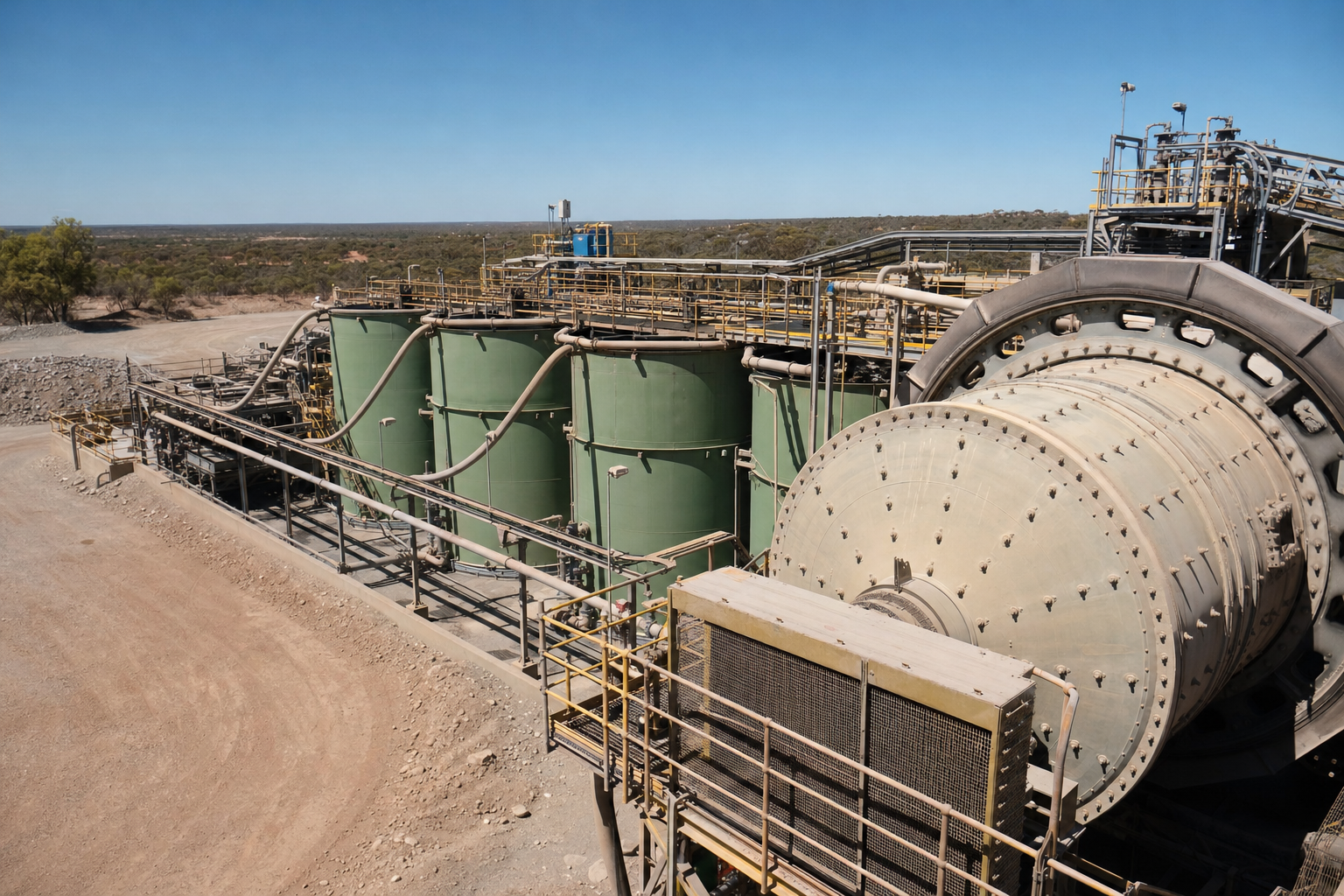
Miners spent a record $441 per ounce on capital to sustain output in the second quarter, up 34% from the first. Sustaining capital refers to the recurring investment needed to maintain current production rates and asset integrity, distinct from growth spending for new projects. The latest step-up underscores how the cost base for producing ounces has shifted higher through this year, even before considering operating expenses.
A rising sustaining capital burden matters for two reasons. First, it absorbs a greater share of operating cash flow when prices soften, compressing financial headroom across the sector. Second, it sets a higher bar for the level of pricing and internal cash generation required to keep mature assets on steady output trajectories and to green-light near-mine development. While management teams can phase certain works, core life-of-mine needs are difficult to defer for long without affecting volumes or mine lives.
The quarter-on-quarter jump also highlights the sensitivity of gold supply to industry-wide inputs and scheduling cycles. Elevated replacement and maintenance programs tend to bunch around specific windows in the year, but a record per-ounce figure indicates more than just timing effects. It reflects a structural rise in capital intensity that will inform how producers prioritize spending between maintenance, de-bottlenecking and discretionary growth through the remainder of the year.
What To Watch
With spot drifting lower, attention turns to how companies balance sustaining needs against free cash generation in the second half. Key indicators include any revisions to full-year capital guidance, the cadence of mine development meters, and the timing of plant upgrades and fleet renewals. Project pipelines may see sequencing adjustments as operators protect balance sheets while keeping core assets on plan.
For the metal market, sustained increases in per-ounce capital requirements can influence medium-term supply responsiveness, particularly where grades are declining or asset ages are advancing. If price weakness persists alongside higher sustaining outlays, marginal capacity is more likely to be rationalized or deferred, tightening the feedback loop between mine-site economics and refined output over time.
Allocated physical ownership is distinct from mining activity: bullion carries no operating or sustaining capital obligations, though its pricing ultimately reflects broader supply and demand dynamics shaped in part by producers’ cost structures.