
November 14, 2026
Fatalities and Cross-Border Strain
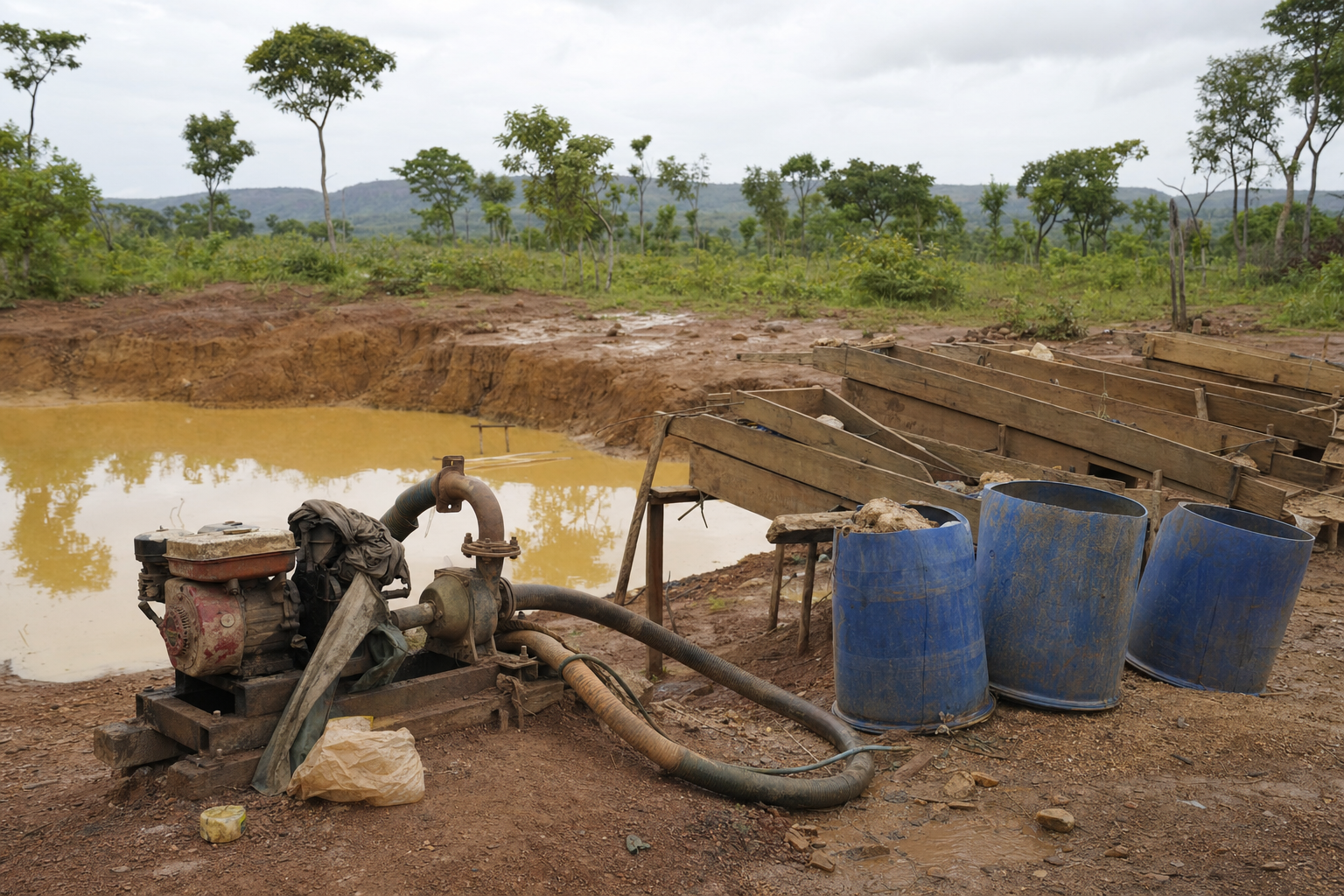
A crackdown on gold mining in Guinea has left 10 people dead and set off a wave of departures toward neighbouring states. Mass expulsions are overwhelming border communities, with authorities in Mali warning of a potential humanitarian crisis alongside rising regional security threats. The situation adds a new point of stress to West Africa’s gold-producing belt, where movements of people and goods often track mining activity.
Details on the scale and duration of the enforcement effort remain limited, as does clarity on the number of operations affected. What is clear is the immediate humanitarian dimension: significant cross-border movements are pressuring reception capacity and public services in adjacent countries. Mali’s warning highlights the possibility that displacement and tighter border controls could intersect with existing security challenges across the Sahel.
Market Relevance: Operations, Flows and Compliance
For the gold market, the central questions are operational continuity and regional logistics. Enforcement actions of this nature can interrupt local mining activity, disrupt on-the-ground supply chains and complicate movements of material across borders. The degree of any market impact will depend on how long restrictions persist and whether they extend beyond targeted sites.
Uncertainty around mining districts typically pushes counterparties to reassess sourcing timelines and due-diligence procedures. Trade and refining channels that interact with West Africa will monitor for altered flow patterns, shipment delays or documentation changes as border agencies adjust to heightened security postures. Any prolonged disruption could affect availability from affected localities, though the broader market effect cannot be inferred at this stage.
Compliance teams are likely to focus on provenance verification, transportation routes and export clearances from the region. Where mass movements of people coincide with mining enforcement, counterparties may seek additional assurance on origin and transit history until conditions stabilise. These are standard risk controls when on-the-ground conditions are fluid.
Security Watch and Next Steps
Mali’s signal on security risks frames the episode in a wider regional context. Pressure on border communities can draw resources from routine functions to emergency response, with potential knock-on effects for trade facilitation. How quickly regional authorities balance humanitarian needs with orderly border management will shape near-term logistics and cross-border commerce.
Market participants will watch for official updates on the status of mining sites under enforcement, any relaxation or extension of measures, and the pace of return to normal border processing. Absent that visibility, the principal takeaway is a higher degree of operational and transit uncertainty linked to this episode.
Episodes that disrupt mining regions underscore that physical precious-metals supply chains can be affected by non-market events, from security operations to border constraints.