November 3, 2026
Capacity Scope Under Review
Sunshine Silver is evaluating a mill expansion concept that would double planned throughput to 2,000 tonnes per day. The initial assessment contemplated a plant of about 1,000 tonnes per day, and the new option would materially scale the processing footprint if adopted. The review signals a potential move to increase mined and milled tonnage, with implications for plant configuration, supporting infrastructure and schedule.
A shift of this magnitude is commonly aimed at capturing economies of scale in unit operating costs and at reshaping project economics. It does not, on its own, determine future production outcomes. Actual metal output depends on sustained ore availability, head grades, metallurgical recoveries and plant uptime. Any change from the initial concept typically requires updated engineering, permitting pathways and stakeholder engagement before a final decision is taken.
Technical And Permitting Considerations
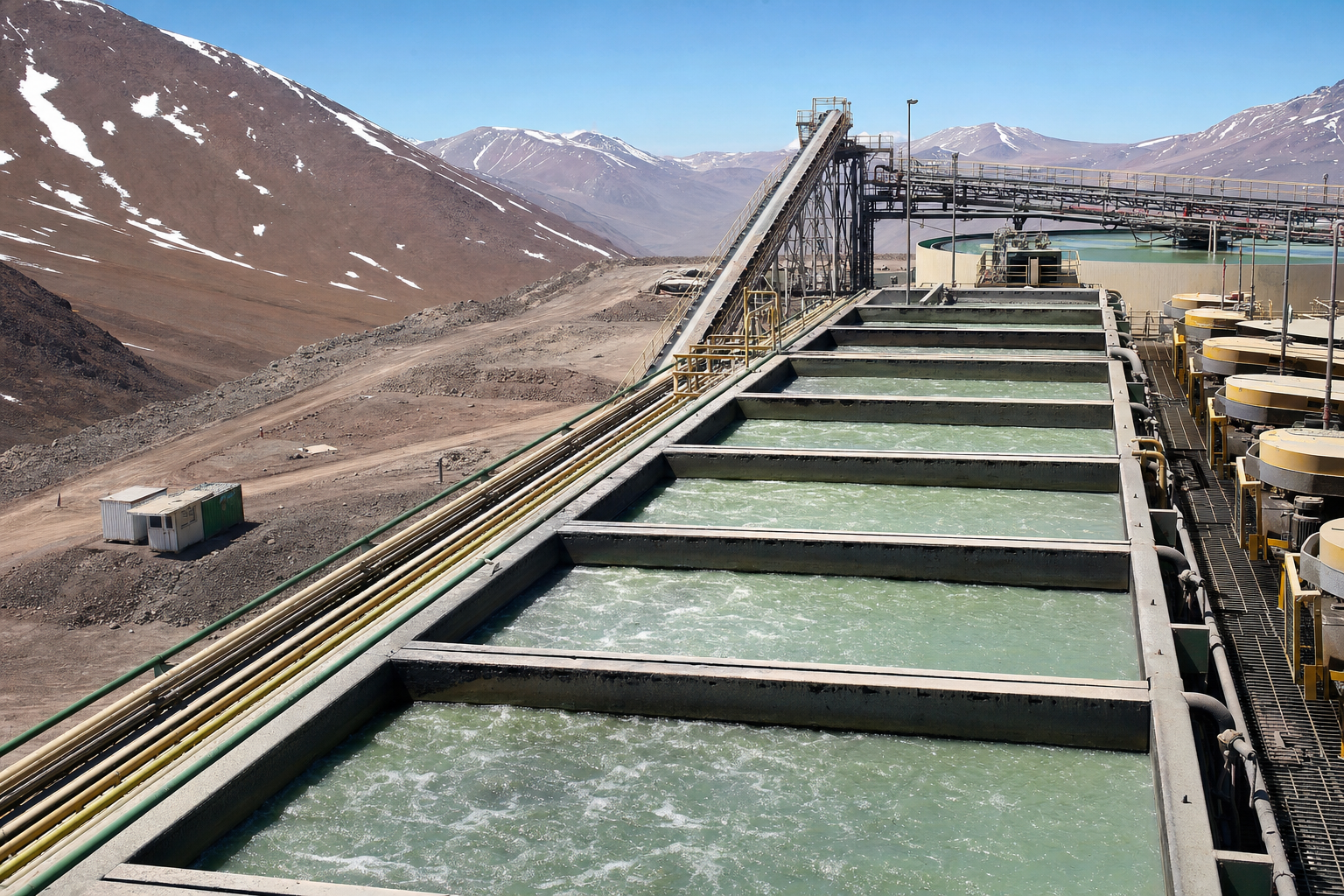
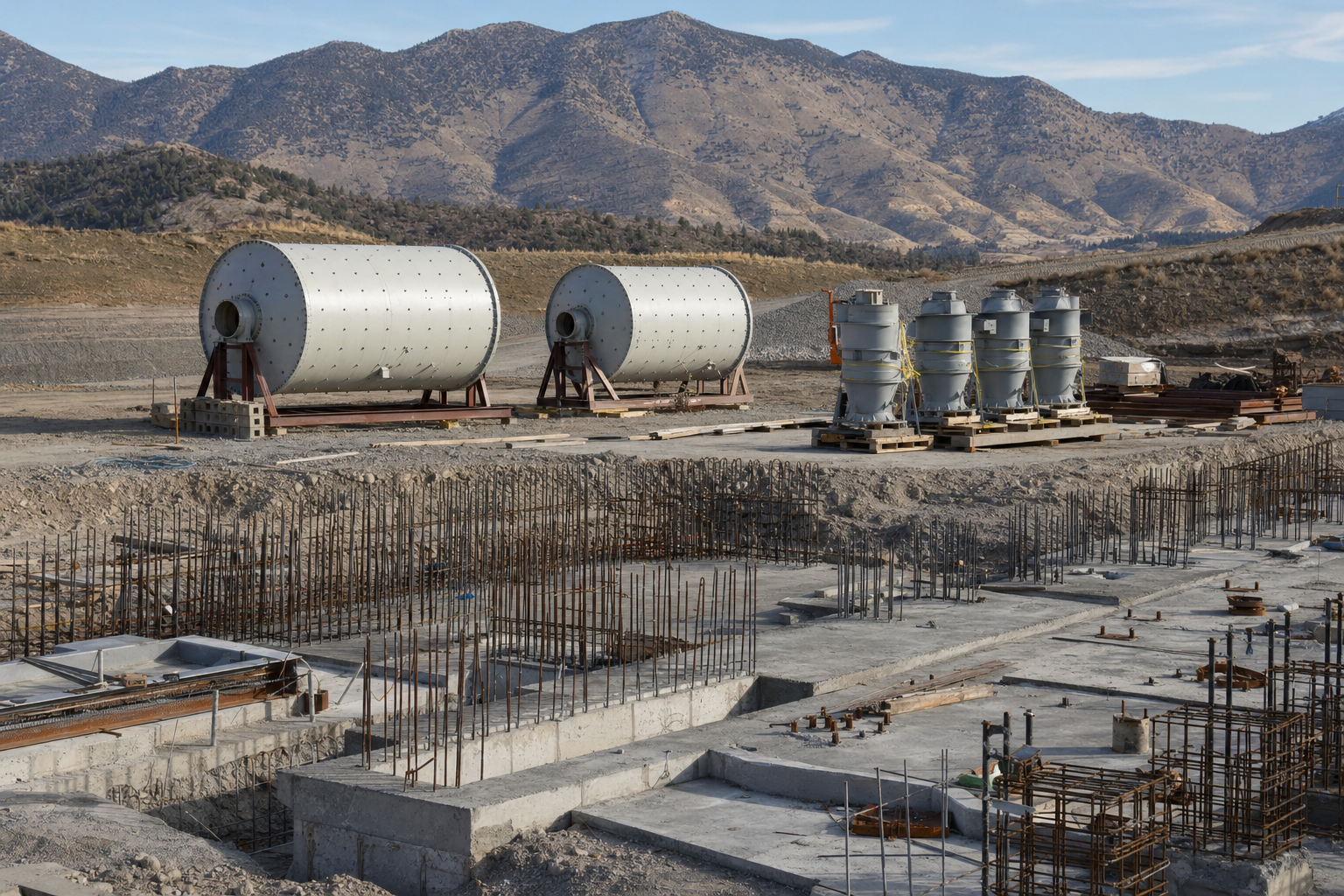
Doubling throughput typically affects every major circuit. Crushing and grinding would need larger or additional primary and secondary units, potentially including a higher-capacity SAG and ball milling configuration. Downstream concentration circuits, thickening and filtration would scale accordingly, along with reagent handling, water balance, and tailings storage design. Power supply—generation or grid interconnection—must match higher peak loads, and water sourcing and recycle rates become more critical to maintain stable operations and environmental performance.
Such scope changes often bring long‑lead procurement items into focus. Mill shells, large motors and transformers, flotation and filtration packages, and critical spares can have ordering horizons measured in multiple quarters. Civil works, from foundations to expanded tailings embankments, would follow revised geotechnical and hydrological inputs. Any permitting amendments typically address higher material movements, process water inventories and updated closure concepts, and may require additional baseline data and public consultation before approvals.
Timelines, capital intensity and construction sequencing would be re‑profiled under a 2,000‑tpd plan versus the earlier 1,000‑tpd concept. Commissioning and ramp‑up risk also scales with complexity; prudent planning generally staggers module start‑ups, validates metallurgy across ore domains, and builds contingency into spares and utilities.
Sector Context
Prospective new primary silver capacity is closely watched, as much of global silver mine supply is produced as a by‑product of lead, zinc, copper and gold operations. Projects designed around silver recovery can influence the market’s marginal supply over time, but their contribution ultimately depends on financing, execution and sustained operating performance.
If Sunshine Silver proceeds with a 2,000‑tpd plant, subsequent detailed studies and regulatory steps would clarify schedule and scope. For those seeking direct exposure to silver as a metal, allocated physical ownership is independent of project development timelines and operational outcomes.