October 19, 2026
New Unit Focused on Mining Demand
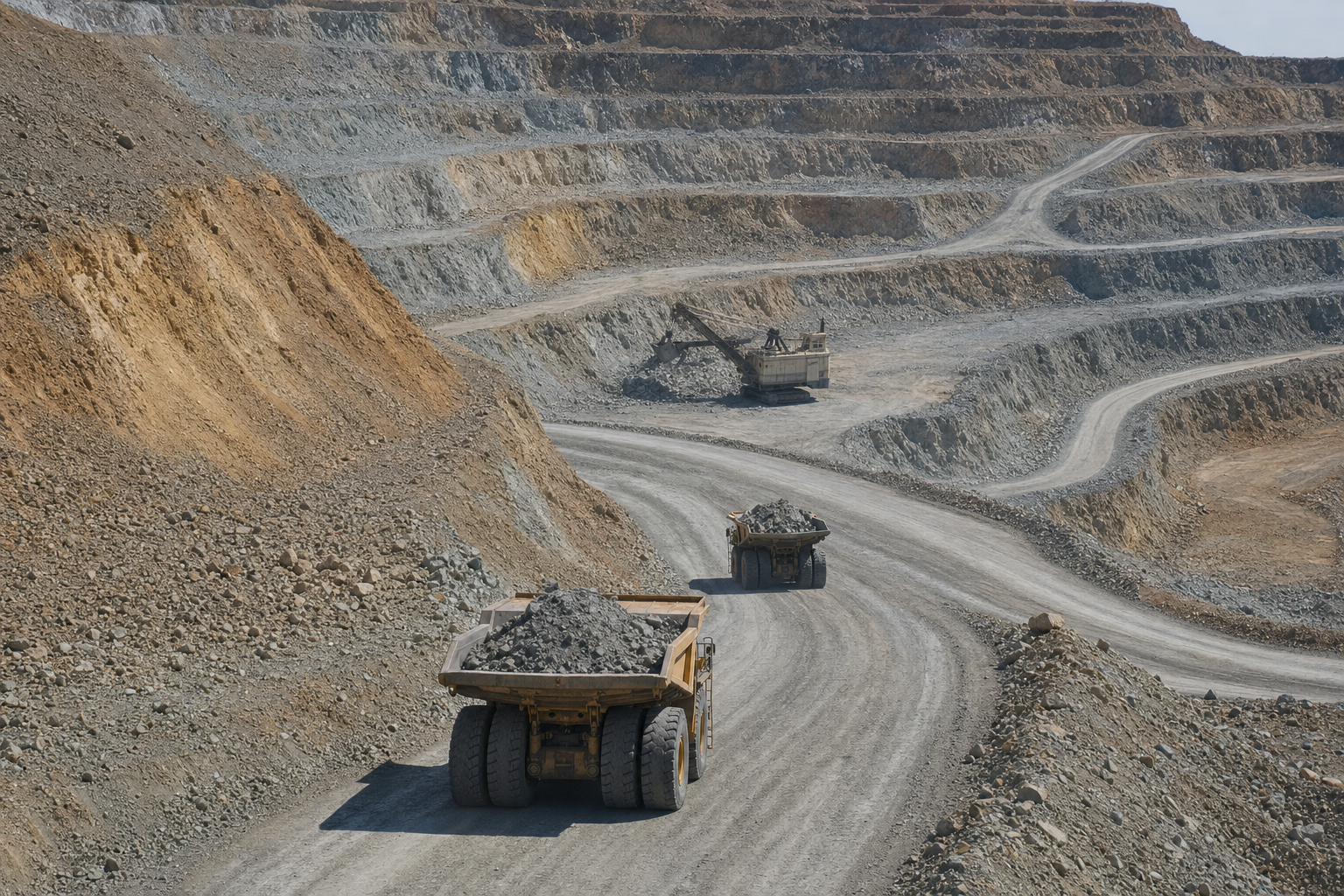
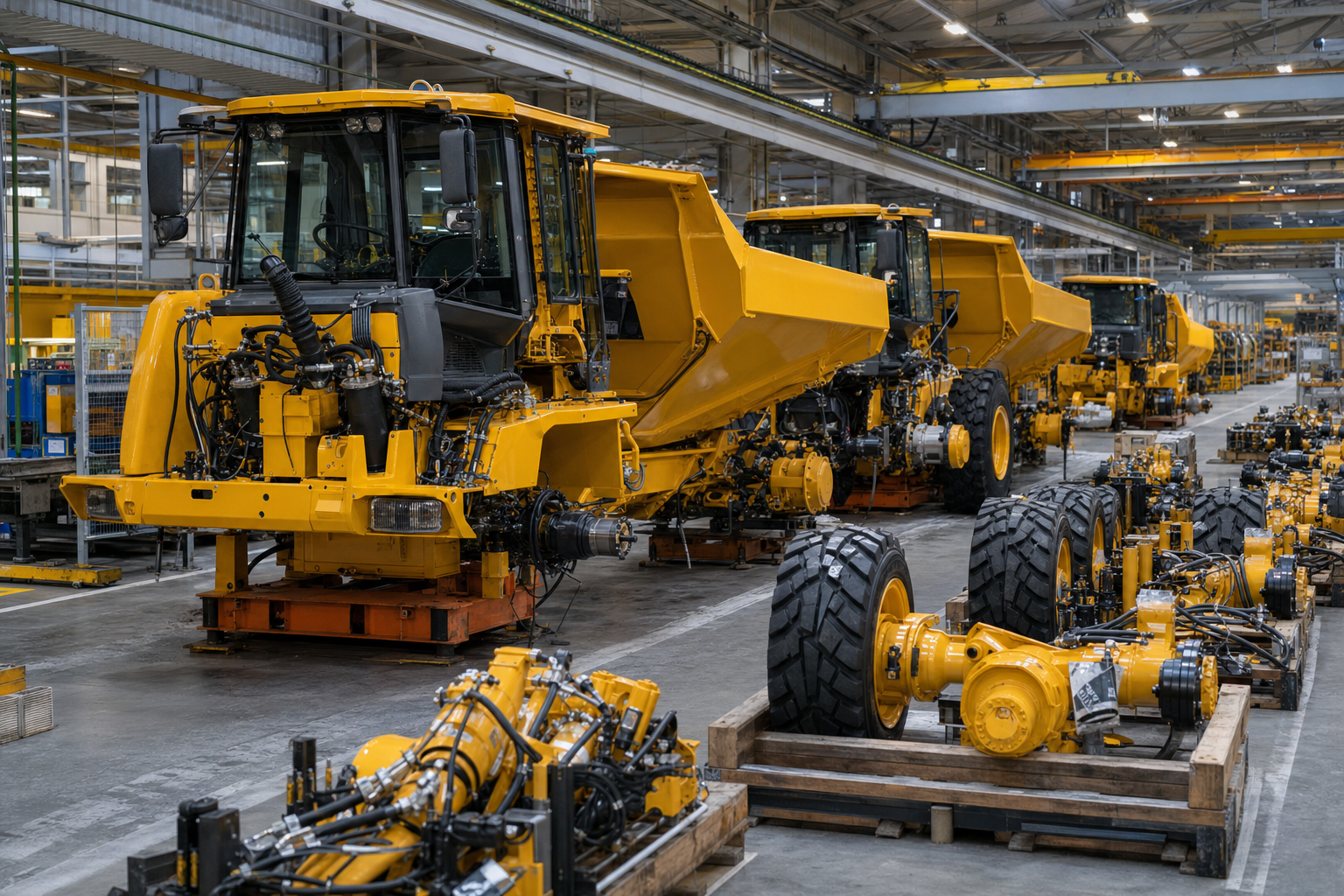
Volvo is establishing a dedicated mining division to address global demand for heavy equipment and autonomous technology, with activity slated to begin in 2027. The move creates a focused structure to deliver machinery and automation capabilities to mine operators across regions and ore types.
The division’s remit covers physical equipment along with autonomous technologies, positioning it to serve both greenfield projects and brownfield fleet upgrades. While commercial specifics were not disclosed, the framework indicates a combined hardware-and-software offering aligned to mine productivity, safety and cost objectives.
Industry Backdrop and Strategic Rationale
Mining companies have been navigating long replacement cycles, higher asset utilization, and stricter operating standards. Demand for equipment reflects these pressures: operators require reliable fleets, enhanced maintenance support, and digital control systems that can standardize performance across variable geologies and climates. Automation is a central pillar in that toolkit, enabling consistent haulage, tighter dispatching and lower exposure to hazardous conditions.
A dedicated unit from a large manufacturer adds capacity to a market where lead times and aftermarket coverage are material considerations in procurement. For mine planners, the presence of another integrated supplier can influence competitive tenders, lifecycle costing assumptions, and interoperability roadmaps for mixed fleets. The emphasis on autonomous technology also aligns with a wider shift toward sensorized mobile assets, real‑time fleet management, and centralized control rooms.
Timeline and What to Watch
With activity beginning in 2027, the next phases are likely to involve product validation, site trials and the build‑out of support infrastructure ahead of broader rollouts. Key watchpoints for operators and investors include:
- Scope of equipment: whether offerings span haulage, loading, and ancillary support units, and how they integrate with autonomy stacks.
- Deployment models: on‑board automation versus site‑wide systems, and the degree of modularity for phased adoption.
- Service footprint: parts availability, technician networks and remote diagnostics, which are decisive for uptime in remote jurisdictions.
- Cyber and data: protocols for secure operation, data ownership and integration with mine planning software.
The launch underscores confidence in sustained equipment needs across the mining cycle, as producers balance cost discipline with productivity and safety targets. It also reinforces the long lead times characteristic of heavy mining assets, where decisions made today shape fleet performance for years.
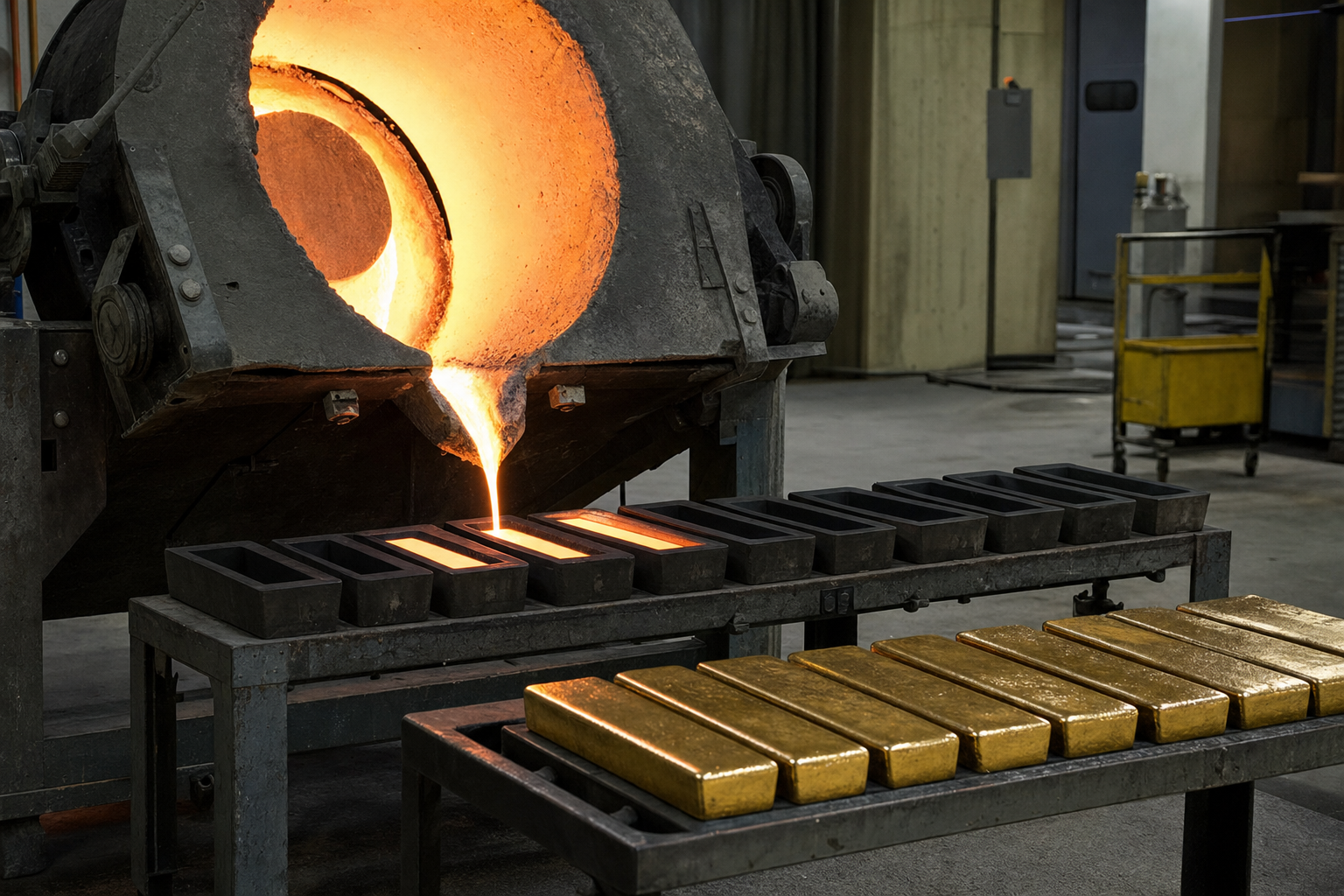
For wealth holders tracking metals through multiple cycles, it is worth noting that operational developments in mining equipment are distinct from the price behaviour of the underlying commodities; allocated physical bullion represents exposure to the metal itself rather than to mining operations.